Dollar Retreats as Rumor of Financial Aid for Greece Jump Starts Risk Appetite
There is rarely a trend that does not find at least a few pauses in its development. This is as far as we can reasonably go in calling for a reversal in risk appetite and the US dollar. Nonetheless, the fundamental shock the world’s most liquid currency would suffer through Tuesday’s session was incontrovertible. In fact, the ripples that would emanate from speculation that either Germany or the European Union was ready to bail Greece out from its current predicament would reach far and wide. Not only did the greenback suffer its biggest daily loss since November 27th; but other distinctly risk-sensitive markets would put in for their own bullish shift. Notably, the Dow Jones Industrial Average put in for a 1.5 percent rally that would conspicuously pull the index back above the 10,000-mark and crude oil would climb back above $72.50 following its own 2.5 percent advance. Why would a financial rescue in Europe have such a profound impact on global sentiment? Just like the reaction to the potential Dubai World default (and subsequent rescue) back in November; the financial troubles that Greece is currently suffering are a reflection of the how interconnected the global markets are and investors’ susceptibility to threats that are reminiscent of the 2008 financial crisis. An objective look at a possible bailout for this single country (see more below) does little to stabilize the entire Euro Zone. On the other hand, sentiment is rarely rational. The winds of risk appetite can change so long as the majority of investors in all the assets and countries support it.
For the dollar’s part in the evolution of sentiment trends, it is highly unlikely that its status as a safe haven and funding currency will change in the near future. The greenback’s position on the risk spectrum will be especially secure while risk appetite is changing – a condition that will be around for some time to come. In the meantime, the dollar will continue to build its own fundamental appeal outside of its value as a temporary harbor for international funds. One of the key ingredients for moving the currency up the risk spectrum is developing a time frame for the eventual hawkish shift from the Federal Reserve. The consensus among economists is that the central bank will not move until late fall and the market is pricing in only 68 basis points worth of tightening over the coming 12 months. This may seem modest; but relative to its most of its counterparts, it puts the greenback at an advantage. To further bolster the forecasts, market participants will have to interpret economic data. Today’s event risk was relatively light; but the fundamental weight is carries is considerable. The NFIB Small Business Optimism Index rose to 16-month high 89.3 for its January reading. Increases in sales and demand forecasts helped to offset a bearish view of expansion. The real value in this data is the fact that small businesses account for the majority of American jobs. An outlook of limited expansion suggests employers will not be adding to payrolls at a critical period of recovery for the economy. Looking ahead to tomorrow, the December trade balance figure is top event risk; but Fed commentary on the financial crisis and systemic risk will be applicable to today’s markets.
Related: Discuss the US Dollar in the DailyFX Forum, US Dollar Extends its Run but How Long will Risk Aversion Hold?
Euro: A Greek Bailout Could Stabilize Short-Term Risk Appetite but would it Stabilize the Economy?
As rumors that the Greece may find financial rescue in the near future began to solidify through the late European session, the euro found a significant source of support. At the G7 meeting over this past weekend, European Finance Ministers offered its assurance that the troubled EU member would cut its budget deficit. However, the market’s reaction to this soft guarantee would offer little reprieve from the higher financing costs the country would face while trying to raise vital funds. Today, speculation hit a new level when a FT Deutschland article suggested German Finance Minister Wolfgang Schauble would announce a rescue plan backed by Europe’s largest economy. Soon-to-be EU economic affairs commissioner Rehn offered additional support when he said the Union would offer “support in the broad sense of the word” and that he expected further discussion on Greece’s position “in the coming days.” This is a notable step up in support from policy officials; but market participants will be looking for a clear plan to help Greece avoid default and trim its deficit from around 13 percent of GDP to below 3 percent within the next few years. From this point, policy makers have two options. If they do not provide a tangible plan to help this member, the disappointment form the market would be resounding and the damage to the euro significant. At the same time, even if Germany or the EU government bail this single economy out; other economies will need support as well. Spain, Portugal, Italy and Ireland are among a number of the large members that are still struggling economically and financially; and they certainly stand to suffer should overall risk appetite continue its deterioration and thereby raise international pressures to stability.
Related: Discuss the US Dollar in the DailyFX Forum, Euro on the Ropes as Greece Debt Crisis Grows Contagious
Japanese Yen Preoccupied with Risk Flows but Fundamentals Still a Long-Term Issue
The Japanese yen was caught up in the risk appetite flows that were triggered by the Greek rumors Tuesday morning. There is little doubt that should this rebound in sentiment take flight, the single currency will suffer as the primary source of funding for a renewed interest in carry trade (and one that is likely to draw far greater demand on the short-side of carry positions than the US dollar this time around). However, through the volatility, an eye has to be kept on underlying fundamentals. The benchmark Japanese market rate (the three-month Libor) is close to crossing back below its US counterpart. This event will inevitably send speculative interests that have targeted the dollar back over the yen. On a positive note, the preliminary reading of machine tool orders marked a record increase; but this does little for domestic demand and deflation.
Related: Discuss the US Dollar in the DailyFX Forum, Japanese Yen to Decline if Risk Recovery Lifts Carry Trades
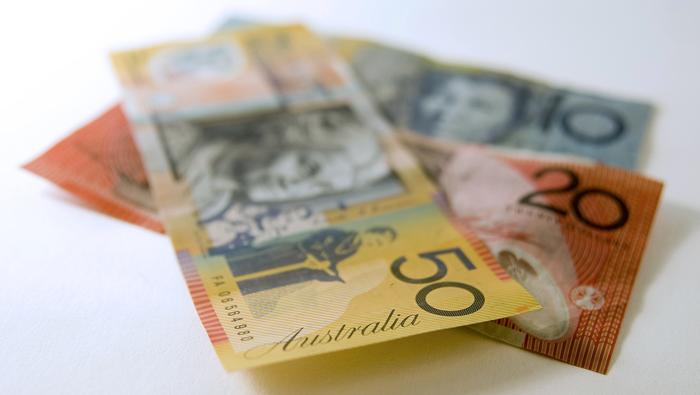
Australian Dollar Could Keep its Hawkish Policy Advantage as RBA Steven Supports Higher Rates
Hosting a meeting of central bankers Tuesday morning, the RBA Governor Glenn Stevens donned the garb of a hawkish policy maker once again when he said that efforts to halt asset bubbles and credit booms would be doomed to failure if global interest rates were held down for too long. This is distinct reversal for speculators who were worried after the central bank unexpectedly held its benchmark rate at its last meeting.
Related: Discuss the Australian and New Zealand dollars in the DailyFX Forum, Australian Dollar to Rebound if Stock Markets Correct Higher
For Real Time Forex News, visit: http://forexstream.dailyfx.com/
ECONOMIC DATA
**For a full list of upcoming event risk and past releases, go to www.dailyfx.com/calendar

SUPPORT AND RESISTANCE LEVELS

Written by: John Kicklighter, Currency Strategist for DailyFX.com
E-mail: jkicklighter@dailyfx.com
DailyFX provides forex news on the economic reports and political events that influence the currency market.
Learn currency trading with a free practice account and charts from FXCM.