Chinese EspaƱol Mon, 01 Dec 2008
head-search-back
News Calendar Charts Currency Rooms Forum Forex Trading Signals

advertisement

5 Most Important Events for the Forex Market This Week

Monday, 09 June 2008 07:40:26 GMT

Written by Terri Belkas, Currency Analyst

Event risk for the forex market lies primarily on the US dollar side, as the Fed’s Beige Book report, Advance Retail Sales, and CPI will all hit the wires. Meanwhile, the commodity dollars may face rocky price action thanks to volatile crude oil trade, a rate decision by the Bank of Canada, and the release of the Australian Net Employment Change.

•    Bank of Canada Rate Decision – June 10
According to a Bloomberg News poll of economists, the Bank of Canada is expected to cut rates by 25bps on Tuesday to 2.75 percent, the lowest target rate since October 2005, as a probable recession in the US threatens the Canadian economy. However, there is some potential that the BoC will leave rates unchanged. The most recent reading of the consumer price index showed that both headline and core inflation pressures were building faster than expected, as headline CPI jumped to an annual rate of 1.7 percent while the BoC’s core measure rose to 1.5 percent. While this is still well below the BoC’s 2 percent target, persistent strength in commodity prices creates significant upside inflation risks and as a result, the Bank may start to become a bit more hawkish once again. Furthermore, BoC Governor Mark Carney made comments in late May that suggested that the Bank believes that Canadian credit conditions have improved enough that they may be able to start cutting back on their efforts to boost liquidity in the nation’s markets. Mr. Carney said the Bank should evaluate “when intervention has been sufficiently successful for it to exit” and that bank funding costs “have fallen markedly over the last few weeks and are substantially below equivalent spreads in some other currencies.” While the deterioration in the Canadian economy remains a problem, especially following the surprising 0.3 percent contraction in Q1 GDP (annualized) on the back of a slump in exports, the BoC may find that a rate cut is not necessary this month. If the Bank does indeed cut rates by 25bps, traders should keep an eye on the subsequent monetary policy statement, as it may indicate that they have no intention of cutting rates further.  The Canadian dollar is likely to show an immediate reaction to the 9:00 EDT announcement, no matter what the BoC chooses to do. Discuss the rate decision and the Canadian dollar with other traders in the USD/CAD Forum.

•    Federal Reserve’s Beige Book Report – June 11
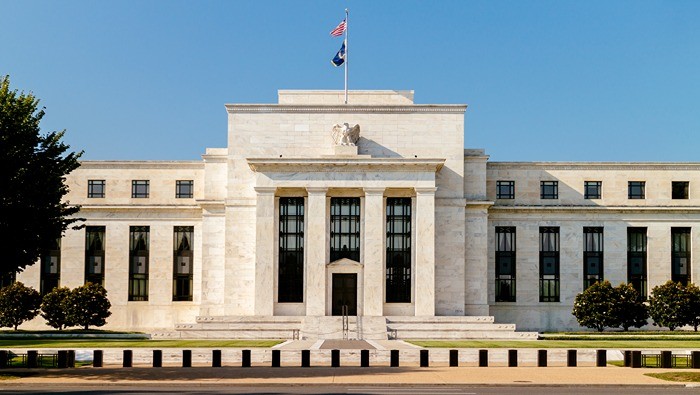
As a summary of economic conditions throughout each of the 12 Fed districts, the report – released at 14:00 EDT – will give key insight into how the FOMC views the economy. Some of the key factors to watch will be employment, consumption, and inflation data, especially as the US unemployment rate has rocketed to a four-year high of 5.5 percent. However, comments by Federal Reserve Chairman Ben Bernanke early last week have made it clear that the FOMC is done cutting rates for the time being. Indeed, we saw the US dollar rally as Mr. Bernanke said that “policy seems well positioned to promote moderate growth and price stability over time.” Nevertheless, though signs of bearish FOMC sentiment on the economy will not necessarily indicate potential for a rate cut at the end of the month, pessimistic views will still weigh on the US dollar. On the other hand, a pronounced focus on rising consumer prices could lead the currency to rebound.

•    Australian Net Employment Change – June 11
The Australian labor markets have tightened substantially over the past few years, as the unemployment rate dropped to multi-decade lows of 4.0 percent in February. While this rate ticked higher in recent months to hit 4.2 percent in April, conditions remain resilient and this has driven wages higher, boosted disposable income, increased domestic demand and economic growth in general, but has also fueled inflation. Indeed, the Australian labor markets are expected to add on another 13,500 workers in May, and like the US Non-Farm Payrolls release, the figure rarely meets expectations and can lead to volatile short-term price action for the Australian dollar immediately following the news at 21:30 EDT.

•    US Advance Retail Sales – June 12
Advance Retail Sales are expected to rebound 0.5 percent after slipping 0.2 percent gain during the month prior, but given the current economic scenario, this figure could be deceiving when announced at 8:30 EDT. Indeed, consumer confidence is rapidly deteriorating and energy prices continue to skyrocket. There is little doubt that retailers are contending with difficult circumstances as they are forced to offer the biggest discounts possible in order to draw customers, which will negatively impact profit margins. However, there is potential for the Advance Retail Sales index to actually show a positive increase as the result of prices, namely, sales at fuel stations and of food. Indeed, this index is not adjusted for inflation and average gas prices rose above $3.50/gallon during the month and have only continued to rise.

•    US Consumer Price Index – June 13
The US headline consumer price index for the month of April is expected to rise 0.5 percent upon release at 8:30 EDT, while the annual rate of growth is forecasted to hold at 3.9 percent. A bulk of the increase will likely be the result of food and energy price gains, especially as oil traded from approximately $115/bbl to over $130/bbl over the course of the month. Meanwhile, core CPI is anticipated to show a mild 0.2 percent rise for the month, which would leave the annualized reading at 2.3 percent. However, if any of these figures surprise to the upside or downside, the markets will respond accordingly and the moves could be dramatic. On the other hand, if the CPI reports are released in line with expectations, Treasuries, the US dollar, and US stock markets may simply trade quietly.


See the DailyFX Calendar for a full list and timetable of upcoming event risks.

< Prev    Next > [ Back ]