US Dollar Tumbles as Demand for a Safe Haven Fully Dissipates
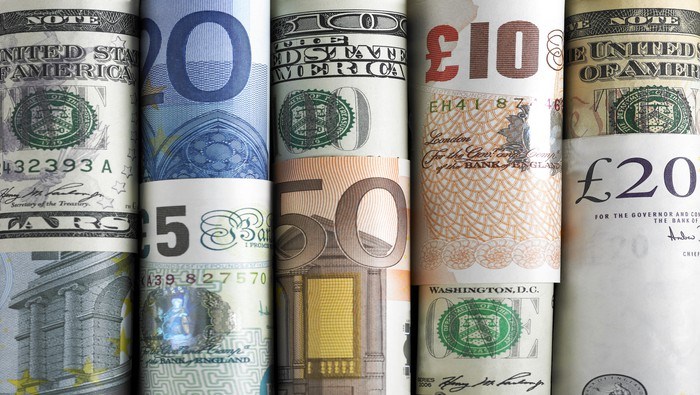
The dollar’s most recent bid at a meaningful reversal – a surge in risk aversion through the end of last week that played to the currency’s safe haven status – has been fully unwound. The greenback extended its decline this week to put it back on pace with the tentative, bearish break that threatened a renewed bear wave last Wednesday just before liquidity thinned out before the US Thanksgiving holiday. Amongst the majors, the lost opportunity is clear. EURUSD held back the tides of reversal by securing 1.48 and has recently traded within 70 pips of setting a new 15-month high. In the battle of the funding currencies, USDJPY’s promising reversal from 14-year lows has failed to generate critical momentum. And, for those pairs that have a more direct link to underlying risk appetite (like AUDUSD and NZDUSD), the early signs of a dollar-favorable reversal are fading.
While there were a few fundamental contributions to price action through Tuesday’s session, the primary driver was risk appetite itself. Though it may be a vague influence on price action, the impact it has is anything but. Taking stock of investor’s demand for return, the Dow Jones Industrial Average rallied to its highest close in 14-months and spot gold set yet another record high. While it may be difficult to tangibly attribute a specific catalyst to a shift in sentiment, the impact is indisputable. Then again, today’s chief driver was far from vague. When the market caught whiff of the largest potential sovereign default since Argentina’s in 2001, the market responded in dramatic fashion – egged on partially by the low levels of liquidity. Since then, rational heads have surmised that with payments on total liabilities of under $60 billion would not likely threaten a global credit shock. What’s more, today’s news has more than halved the notional threat and confirmed officials were acting to prevent this threat from blowing up. World Dubai, the state-run group, reported that it was in negations to restructure $26 billion in liabilities with creditors while deeming the remainder of its obligations as being on a sound financial footing. So, while there are other cracks in the market’s foundation, it seems this immediate threat has passed.
In more ‘tangible’ fundamental channels, Tuesday’s scheduled event risk offered a mixed since of economic bearing; but more importantly, none of the indicators would spur heavy short-term volatility. Top billing for the session was the November ISM manufacturing report. While this data series was at one point a top market-mover in the past; we have seen its impact degrade along with its influence on overall growth. A sharper-than-expected pullback in the monthly reading would not overwhelm the general trend of recovery that the sector has developed through the year. While factory activity is not a viable, long-term substitute for consumer spending; it can help maintain a recovery until job and wage growth develop. In other news pending home sales for October grew for a ninth-consecutive month (a record for this series going back to 2001), the lagging nature of the report encouraged little response from the dollar. Looking ahead to tomorrow, the Fed’s Beige Book is top scheduled event risk with a look into the data the Fed will use to deliberate monetary policy. But, in the end will this report encourage volatility: not likely.
Japanese Yen Bulls Sigh a Breath of Relief after Emergency BoJ Meeting
The Bank of Japan called an emergency meeting early Tuesday morning; and considering the yen’s reaction, speculators feared that the group would agree to intervene in the currency market for the first time in years. However, the results of the gathering were much more benign than an outright intercession on the yen’s behalf. Finally paying concession to the government’s consistent concerns over deflation, the BoJ announced a modest expansion in its quantitative easing efforts. The group announced a program that would extend 10 trillion yen ($115 billion) in 0.10 percent, three-month loans to commercial banks in an effort to encourage lending to businesses and consumers with an ultimate aim to revive growth and inflation. However, this effort will likely have a negligible impact in the end. The Japanese economy has been struggling to stabilize prices for more than a decade; and this increase in stimulus does not correct the underlying fundamental problems that have maintained this condition. Neither will this likely alter the yen’s course. Trading just off of a 14-year high against its dollar counterpart; speculators have been given plenty of slack to drive the currency higher given the lack of commitment to intervention from the government.
Australian Dollar: How Bullish was the RBA’s Rate Decision?
Falling in line with the consensus among economists and traders, the Reserve Bank of Australia (RBA) hiked its benchmark lending rate once again to 3.75 percent. This is the only central bank in the developing world to have lifted its target rate more than once and the first time in the group’s own history that it has hiked at three consecutive meetings. However, with the market having already priced such an outcome in; the real impact from this event would fall to the statement that accompanied the decision. In the statement released by Governor Glenn Stevens with the decision, the Board concluded that the “material adjustments” already made in monetary policy would work to keep “inflation consistent with the target over the year ahead.” Growth is certainly much stronger in Australia than it is for most of its peers; but maintaining an aggressive pace of policy tightening while the rest of the globe struggles to develop a sustainable recovery threatens long-term, detrimental repercussions. The likelihood of a pass at the next meeting in February is high; but the market is still pricing in a 47 percent chance of another 25bps.
Euro Little Budged by Finance Ministers’ Claims Currency Overvalued
The euro is bidding its time until the European Central Bank (ECB) decides monetary policy on Thursday; but there are lingering concerns as to the currency’s role as a viable and stable counterpart to the US dollar. Though fears over the Dubai default have been deflated, the threat has intensified focus on other threats to global financial stability. One of the lasting concerns is Greece’s financial position. Today, EU Finance Ministers discussed the potential collapse of the economy’s finances and what impact it may have on the region. Avoiding a panic, Jean-Claude Juncker said that there was ‘no hint’ the country would fall into bankruptcy; but he did comment that the nation has not made an effective effort to correct its deficit. Another official went on to suggest that Greek finances wouldn’t impact the euro; but if the economy defaults, it almost certainly will leave the currency in a lurch. In other news, the economic docket delivered German and Euro Zone labor statistics. German unemployment unexpectedly rose through November; but the rate would tick lower. The October EZ rate would remain unchanged through virtue of a revision.
For the most up-to-date Forex analysis and news, visit: www.forexstream.dailyfx.com
**For a full list of upcoming event risk and past releases, go to www.dailyfx.com/calendar


Written by: John Kicklighter, Currency Strategist for DailyFX.com
E-mail: jkicklighter@dailyfx.com
DailyFX provides forex news and technical analysis on the trends that influence the global currency markets.
Learn forex trading with a free practice account and trading charts from FXCM.