Bernanke Shifts Tone, Sending Dollar to Record Low against the
Euro
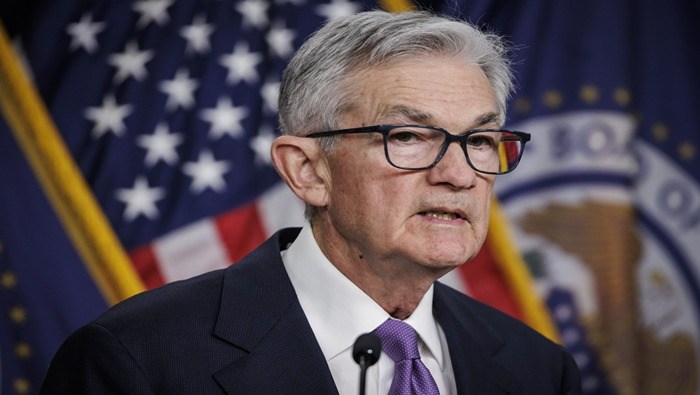
To the surprise of the market, Federal Reserve Chairman Ben
Bernanke shifted his tone ever so slightly in his congressional testimony on the
economy and monetary policy. Back in February, when he gave his last
testimony, Bernanke said that the housing market was stabilizing but now he
feels that the problems in housing could get worse before it gets better.
The Fed’s vocal concern about contagion indicates that “in their books” the
economic environment has deteriorated enough to begin considering putting growth
ahead of inflation. For a central banker that wants to stake his
reputation on fighting inflation, this is significant. Bernanke also
reminded us that the Fed’s primary focus is on core prices and not headline
prices. Even though oil prices are rising, he felt that unless we have
another big jump, core prices could edge a bit lower. The Fed cut their
growth forecasts for 2008 to 2.5-2.75 percent from 2.75-3 percent and increased
their unemployment forecasts from 4.5 percent to 4.75 percent. The central
tendency for core inflation was left unchanged at 2 to 2.25 percent for 2007 and
1.75 to 2 percent for 2008. This indicates that they expect inflation to
slow over the next year. Today’s economic releases provide support to the
Fed’s cautionary stance. Headline consumer prices were stronger than
expected, but core prices were right in line with expectations. Even
though the gain in core was slightly higher than the rise in May, it is only
modestly so. Starts increased but building permits hit a 10 year low,
indicating that housing continues to be a problem. Bond yields and the US
dollar dropped on the back of Bernanke’s comments, but further dollar weakness
could be limited by the fact at this point, the Fed can do little more than
raise red flags.
British Pound Breaks 2.05 on Dollar Weakness and Asian
Buying
The British pound first broke the psychologically important
2.05 level against the US dollar in the middle of the Asian trading
session. Keying off of the stronger UK inflation data reported yesterday
and the weaker US PPI numbers, Asian traders aggressively bought the GBP/USD,
taking the pair up from 2.0490 to 2.0549 in a little more than an hour.
However once European traders came into the market, they began to take profits
and initiate short positions. The correction was exacerbated when the less
hawkish Bank of England minutes were released; the GBP/USD eventually sold off
to 2.0460. Once Bernanke began to talk however, dollar selling resumed and
the GBP/USD took off once again, ending the US trading session not far from the
new 26 year high set overnight. The reason why examining the price action
is so important is because it tells us that today’s strength in the GBP/USD is
driven almost exclusively by dollar weakness and not pound strength. If
anything, the Bank of England minutes signals that even if we do have another
rate hike this year, it will not be until the latter part of the fourth quarter,
at the earliest. Yesterday we indicated that anything short of a 7-2 vote
in favor of raising rates would be construed as dovish. The rate hike
earlier this month was supported by only 6 out of the 9 members. The
dissenting views amongst the monetary policy committee members indicate that as
a whole, they are not in as much of a rush to raise rates as the market
may have initially thought. This stance is supported by further slowing in
average wage growth in the month of May. Even though the number of people
claiming unemployment benefits decreased, weaker wage growth could still hurt
retail sales.
Euro hits Record High of 1.3835
We have long said that
the direction of monetary policy is far more important than the level of
interest rates and today, the move in the EUR/USD is a testament to that.
The currency pair climbed to a new record high of 1.3835 following less hawkish
comments from the US central bank. In an environment where the European
Central Bank is pounding the table about the need to raise rates, the growing
chance of a rate cut before a rate hike in the US is driving the dollar
lower. One would expect that the ECB would begin backing off given the
recent appreciation in their currency, but instead of showing any signs of
concern, Trichet warned today about that any attempts to influence the ECB would
be in violation of the EU treaty. This suggests that they are not willing
to talk down the Euro and will only do so under their own terms. ECB
council member Garganas also said yesterday that he expects the central bank to
raise rates further.
Commodity Currencies Hit Fresh Highs on Dollar
Weakness
Dollar weakness has sent the commodity currencies
skyrocketing to new multi-decade highs, which have become a near daily
occurrence for the Canadian, Australian and New Zealand dollars. Gold and
oil prices are up on the day which is helping, but most of the strength is
coming from US dollar weakness since the data released from the three countries
were actually bearish. Canadian consumer prices fell in the month of June,
leaving annualized consumer prices at 2.2 percent while core prices remained
flat. Meanwhile Australian leading indicators weakened in the month of
May, there was no economic data released from New Zealand. The outlook for
the currencies will continue to predominantly dependent upon US data. Only
Canada has the potential to move on its own accord with wholesale sales and
international securities transactions due for release.
Carry Traders Haven’t Given Up
Carry traders aren’t quite
ready to give up yet. Despite the Dow having been down over 100 points
intraday, the highest yielding carry trade currencies still managed to end the
day in positive territory. The Dow also recuperated half of its
losses which suggests that the rally could go on. The only currencies that
the Japanese Yen managed to rally against were the Euro, Swiss franc, US and
Canadian dollars and for the most part, the damage was small. Looking
ahead, we expect carry trades to continue to track the Dow.


Written by Kathy Lien, Chief Strategist of DailyFX.com