CHINA WEEKLY

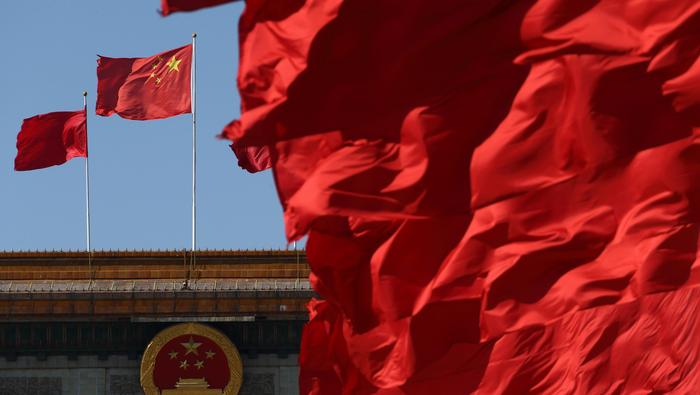
Less than a week before a meeting of global leaders from the G20, China’s central bank has announced plans to loosen the yuan’s peg to the US dollar. This comes days after officials said that discussions about the yuan would not be on the agenda at the G20 meeting in Canada this week. The US has long pressured China to let its currency move more freely against the dollar, and China had been expected to encounter sharp criticism at the G20 for inflexibility on the issue. US Treasury Secretary Geithner reacted Sunday with cautious optimism and additional questions about how far and fast China will let the yuan appreciate. According to the PBoC “the recovery and upturn of the Chinese economy has become more solid with the enhanced economic stability”. Adding that “adjustments of the exchange rate must be carried out gradually to give companies time to adjust their structure and gradually absorb the impacts of yuan exchange rate fluctuations”. Underlining the gradual nature of any move, the PBoC early Monday set the central parity rate – the level marking the middle of the yuan’s trading band – unchanged from its value Friday.
Turning to the brewing worker crisis, Toyota was the latest firm to suffer at the hands of a workers strike. This time not related to working conditions but rather after a shortage of certain plastic interior parts led to workers walking off the job. Toyota is the most recent name to be added to a growing list of firms having difficulties with their workers, including a rash of suicides by workers at a southern Chinese plant. The workers, often migrants, are treated poorly and rarely have more than a middle-school education. However, they are using modern technology to record abuse, sharing strike information via text message mobilizing a formidable force against corporate giants. In a move to end the troubles Chinese Premier Wen Jiabao called Tuesday for better treatment of migrant workers in the wake of several recent high-profile labour problems. Wen told a group of about 50 young workers in Beijing that the new generation of migrant workers deserve better urban living conditions than they do now. Wen also pledged to improve public facilities in rural areas by building more hospitals, schools and other amenities easing the stress on workers while they are away from their families.
Elsewhere, China’s top macroeconomic planning agency is reviewing a proposal that would tweak the rules for private equity funds. The National Development and Reform Commission (NDRC) may eliminate filing requirements for managers of relatively small PE funds. As part of the proposal only managers that complete fundraising of more than 500 million yuan ($73.2 million) would have to register with the commission. Details of changes remain under wraps but people familiar with the situation said that the future approach will allow a fund management team to find an appropriate investment and complete the first phase of fundraising before filing with the NDRC.
Staying with the finance sector, China’s banking regulator warned last week that the nation’s banking system faces risks from bad loans, particularly among those made to local governments and to the real estate sector. The China Banking Regulatory Commission urged banks that face “numerous uncertainties” to maintain safe and sound development methods and assess risks more carefully. The report issued by the commission made particular mention of property loans saying that they are a source of serious concern. As uncertainties in the real estate sector ratchet up, the risks associated with home mortgages are building and the risk of a chain effect might reappear in real estate development loans as well, the report said. The CBRC also pointed to inadequate awareness of fraud risks and banks attempting to circumvent regulations with off balance sheet loans.
Finally, noted investor and critic of US monetary policy, Jeremy Grantham, said China may manage to avoid a housing collapse similar to that seen in the west. He described Beijing’s approach to tackling rapidly rising real estate prices as “experimental” saying that the Chinese government is “adventurous in trying new things”. Grantham, who serves as chief investment strategist at Grantham Mayo Van Otterloo & Co. made the comments at a briefing in Sydney where he repeated criticism of current policy at the US Federal Reserve, as well as Fed Chairman Bernanke, contrasting Washington’s approach to Beijing’s. Echoing his previous doubts about Bernanke’s monetary strategy, which he said could lead the US economy “off yet another cliff by keeping rates low for so long that speculators make hay”.
Written by Jonathan Granby, DailyFX Research Team
To contact the author email jgranby@fxcm.com
If you wish to discuss this topic or any other feel free to visit our Forum page